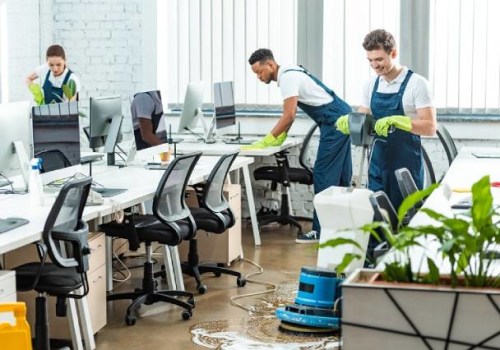
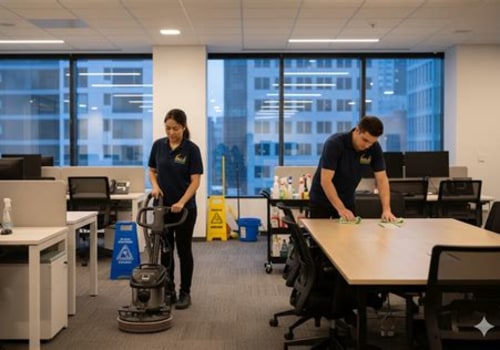
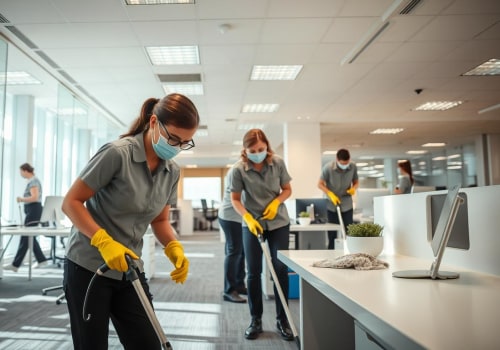
In today’s fast-paced business environment, the importance of cleanliness in office and commercial spaces cannot be overstated. A clean workspace not only enhances the aesthetic appeal of an organisation but also plays a crucial role in promoting employee health and productivity. Regular cleaning helps to eliminate dust, allergens, and pathogens that can lead to illness, thereby reducing absenteeism and fostering a more vibrant workplace culture, which is essential for ensuring home safety.Moreover, the benefits of in office and commercial spaces cannot be overstated. A clean workspace not only enhances the aesthetic appeal of an organisation but also plays a crucial role in promoting employee health and productivity. Regular cleaning helps to eliminate dust, allergens, and pathogens that can lead to illness, thereby reducing absenteeism and fostering a more vibrant workplace culture, which is essential for ensuring home safety. Moreover, the benefits of office cleaning extend beyond mere hygiene. A well-maintained environment can significantly boost employee morale and create a positive impression on clients and visitors.
When potential clients walk into a tidy, organised space, it reflects professionalism and attention to detail, which can influence their perception of the business. This is particularly vital in commercial settings where first impressions are key to building lasting relationships. Furthermore, maintaining high standards of commercial space hygiene is essential for compliance with health regulations and industry standards. Regular cleaning schedules ensure that all areas, from communal spaces to individual offices, are kept in optimal condition. This not only safeguards the health of employees but also protects the company’s reputation.
As we delve deeper into this topic, we will explore how often these spaces should be cleaned to maintain their cleanliness and functionality effectively.
Factors Influencing Cleaning Frequency
When determining the frequency of office and commercial cleaning services, several key factors come into play. Understanding these factors can help businesses maintain a clean and healthy environment while optimising their cleaning schedules.- Office Size: The size of the office or commercial space significantly influences cleaning frequency. Larger spaces typically require more time and resources to clean, which may necessitate more frequent cleaning sessions. For instance, a small office may only need daily cleaning, while a large corporate building might benefit from a combination of daily and weekly services to ensure all areas are adequately maintained.
- Foot Traffic: The amount of foot traffic in a space is another critical factor.
High-traffic areas, such as reception areas, break rooms, and conference rooms, accumulate dirt and germs more quickly. These areas may require daily cleaning to maintain hygiene standards, whereas less frequented spaces can be cleaned less often.
- Industry Standards: Different industries have varying standards for cleanliness. For example, healthcare facilities must adhere to strict sanitation protocols, necessitating frequent cleaning and disinfection. In contrast, an office environment may have more flexible standards but still requires regular upkeep to ensure employee well-being and productivity.
During peak seasons or events, increased activity may lead to a higher demand for cleaning services. Businesses should also consider the specific needs of their employees and clients; for instance, if allergies are a concern, more frequent dusting and vacuuming may be warranted.Ultimately, assessing these factors will help businesses tailor their cleaning schedules effectively, ensuring that their office or commercial space remains clean, safe, and welcoming for everyone.
Recommended Cleaning Frequencies for Different Types of Spaces
When it comes to office and commercial cleaning services, understanding the appropriate cleaning frequency for different types of spaces is crucial for maintaining a healthy and productive environment. Below are tailored recommendations based on the specific needs of various office and commercial settings.Daily Cleaning Tasks
For high-traffic areas such as:- Reception Areas: These should be cleaned daily to ensure a welcoming atmosphere. This includes dusting surfaces, vacuuming carpets, and sanitising high-touch areas.
- Restrooms: Daily cleaning is essential to maintain hygiene standards.
This involves thorough cleaning of toilets, sinks, and replenishing supplies.
- Kitchens or Break Rooms: These spaces should also be cleaned daily, focusing on wiping down surfaces, cleaning appliances, and ensuring that waste is disposed of properly.
Weekly Cleaning Tasks
Less frequented areas can be cleaned on a weekly basis. This includes:- Office Desks: While employees should maintain their own spaces, a weekly deep clean can help remove dust and allergens.
- Meeting Rooms: These should be cleaned weekly to ensure they are presentable for clients and staff alike. This includes vacuuming, dusting, and sanitising surfaces.
Monthly Cleaning Tasks
Some tasks can be scheduled monthly to keep the environment fresh:- Windows: Cleaning windows inside and out can enhance the overall appearance of the office.
- Carpets: A deep clean of carpets should be performed monthly to remove dirt and prolong their lifespan.
Daily vs.
Weekly vs. Monthly Cleaning: What’s Best?When it comes to maintaining a clean and healthy work environment, understanding the frequency of cleaning is crucial.
Office and commercial cleaning services
can be tailored to fit the specific needs of your business, whether you opt for daily, weekly, or monthly cleaning schedules.Daily Cleaning Benefits
Daily cleaning is often the best choice for high-traffic areas such as reception areas, break rooms, and restrooms. The benefits include:- Enhanced Hygiene: Regular cleaning reduces the spread of germs and bacteria, which is especially important in shared spaces.
- Improved Aesthetics: A consistently clean environment creates a positive impression on clients and employees alike.
- Increased Productivity: A tidy workspace can lead to improved focus and efficiency among staff.
Weekly Cleaning Schedule
A weekly cleaning schedule strikes a balance between thoroughness and practicality.This option is ideal for businesses that may not require daily attention but still need regular upkeep. Key advantages include:
- Cost-Effectiveness: Weekly services can be more budget-friendly than daily cleaning while still maintaining cleanliness.
- Comprehensive Tasks: Weekly cleanings allow for deeper cleaning tasks such as vacuuming carpets, dusting surfaces, and sanitising common areas.
- Flexibility: This schedule can be adjusted based on business needs, allowing for more frequent cleanings during busy periods.
Monthly Cleaning Tasks
For businesses with lower foot traffic or specific cleaning needs, a monthly schedule may suffice. Monthly cleaning typically includes:- Deep Cleaning: Tasks such as window washing, carpet shampooing, and high dusting are often reserved for monthly services.
- Maintenance Checks: Monthly cleanings provide an opportunity to assess the condition of facilities and equipment.
- Savings on Labour Costs: Fewer cleanings can lead to reduced overall expenses while still ensuring a clean environment.
The Role of Professional Office and Commercial Cleaning Services
In today’s fast-paced business environment, maintaining a clean and hygienic workspace is essential for both employee productivity and overall health.Professional office and commercial cleaning services play a crucial role in achieving this goal. By outsourcing cleaning tasks to experts, businesses can ensure that their premises are not only clean but also safe for employees and visitors alike.
Benefits of Hiring Cleaners
- Expertise and Training: Professional cleaners are trained in the best practices for cleaning various surfaces and materials, ensuring that every corner of your office is thoroughly cleaned.
- Time Efficiency: By hiring professionals, your staff can focus on their core responsibilities rather than spending time on cleaning tasks.
- Customised Cleaning Plans: Cleaning services can tailor their offerings to meet the specific needs of your business, whether it’s daily, weekly, or monthly cleaning schedules.
- Use of Advanced Equipment: Professional cleaning companies invest in high-quality equipment and eco-friendly products that provide a deeper clean compared to standard cleaning supplies.
Cost-Effectiveness of Outsourcing Office Cleaning
While some businesses may hesitate to outsource their cleaning needs due to perceived costs, the reality is that hiring professional cleaners can be more cost-effective in the long run. By outsourcing, companies can avoid the expenses associated with hiring full-time cleaning staff, including salaries, benefits, and training costs. Additionally, professional services often provide flexible contracts that allow businesses to scale their cleaning needs according to seasonal demands or changes in occupancy.Moreover, a clean office environment contributes to employee satisfaction and retention.
A well-maintained workspace not only enhances the company’s image but also promotes a healthier atmosphere, reducing sick days and boosting morale. In conclusion, investing in professional office and commercial cleaning services is a strategic decision that can lead to significant benefits for any organisation.
Common Misconceptions About Cleaning Frequency
When it comes to office and commercial cleaning services, there are several misconceptions about how often these spaces should be cleaned. Understanding these myths is crucial for maintaining a healthy and productive work environment.- Myth 1: Cleaning once a week is sufficient. Many believe that a weekly clean is enough for all office environments. However, the frequency of cleaning should depend on the type of business and the number of employees.
High-traffic areas, such as reception desks and meeting rooms, may require daily cleaning to prevent the spread of germs.
- Myth 2: Only visible dirt needs to be cleaned. Just because a surface looks clean doesn’t mean it is. Bacteria and allergens can thrive in unseen areas. Regular deep cleaning is essential to ensure that hidden dirt and pathogens are effectively removed.
- Myth 3: Cleaning is only necessary during flu season. While it’s true that illness can spread more easily during colder months, maintaining a consistent cleaning schedule year-round is vital for overall health. Regular cleaning helps reduce the risk of illness at any time of the year.
- Myth 4: All cleaning services are the same. Not all office and commercial cleaning services offer the same level of care or frequency.
It’s important to choose a service that tailors its approach based on your specific needs, ensuring that your space is cleaned adequately.
Tips for Establishing an Effective Cleaning Schedule
Establishing an effective cleaning schedule is crucial for maintaining a healthy and productive work environment. Here are some practical tips to help businesses create a tailored cleaning plan that meets their specific needs:- Assess Your Space: Begin by evaluating the size and layout of your office or commercial space. Identify high-traffic areas, such as reception desks, meeting rooms, and break areas, which may require more frequent cleaning.
- Determine Cleaning Frequency: Based on your assessment, decide how often different areas need to be cleaned. For instance, daily cleaning may be necessary for communal spaces, while less frequented areas can be cleaned weekly or bi-weekly.
- Incorporate Seasonal Deep Cleaning: Schedule deep cleaning sessions quarterly or bi-annually to tackle tasks that are often overlooked, such as carpet cleaning, window washing, and thorough dusting of hard-to-reach places.
- Utilise Professional Services: Consider hiring office and commercial cleaning services for a more comprehensive approach.
Professionals can provide expertise in creating a cleaning schedule that adheres to industry standards and ensures all areas are adequately maintained.
- Engage Employees: Encourage staff to participate in maintaining cleanliness by implementing a shared responsibility model. This could include simple tasks like tidying their workspaces or reporting any cleanliness issues promptly.
- Review and Adjust: Regularly review your cleaning schedule to ensure it remains effective. Gather feedback from employees about cleanliness levels and adjust the plan as necessary to address any concerns.
Conclusion: Finding the Right Balance in Cleaning Frequency
In conclusion, determining the appropriate frequency for office and commercial cleaning services is crucial for maintaining a healthy and productive work environment. As we have explored, various factors influence this decision, including the type of business, the number of employees, and the specific needs of the workspace.Regular cleaning not only enhances the aesthetic appeal of an office but also plays a significant role in promoting employee well-being.A clean workspace can reduce the spread of germs and allergens, leading to fewer sick days and increased productivity. Therefore, it is essential to strike a balance between thorough cleaning and operational efficiency.
- Daily Cleaning: For high-traffic areas such as reception desks, restrooms, and kitchens, daily cleaning is often necessary to maintain hygiene standards.
- Weekly Cleaning: Offices may benefit from weekly deep cleaning sessions that include dusting, vacuuming, and sanitising surfaces.
- Monthly or Quarterly Cleaning: More extensive cleaning tasks, such as carpet shampooing or window washing, can be scheduled monthly or quarterly to ensure a comprehensive clean without disrupting daily operations.