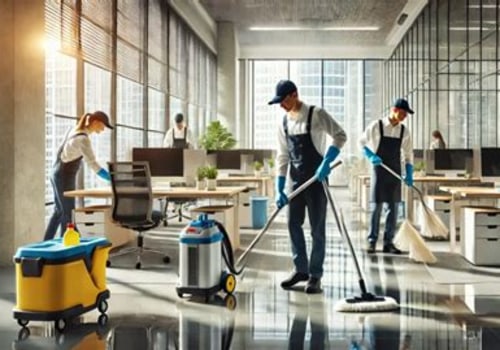
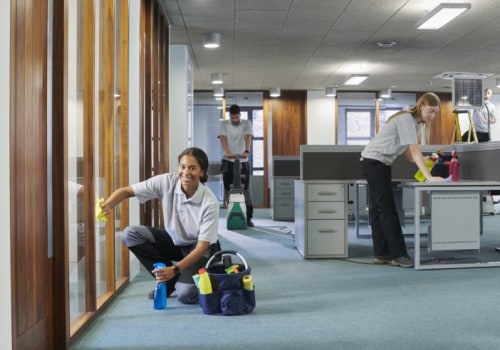
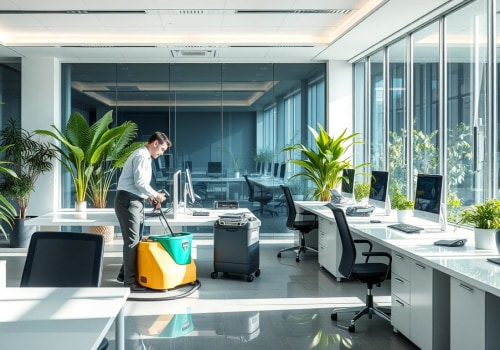
The COVID-19 pandemic has fundamentally altered the way we perceive cleanliness and hygiene, particularly in office and commercial cleaning services. As businesses strive to create safe environments for employees and customers alike, the importance of rigorous cleaning protocols has never been more pronounced. The presence of the virus in shared spaces has heightened awareness around the necessity of maintaining a clean workplace, making professional cleaning services an essential component of operational strategies.During this unprecedented time, COVID-19 cleaning protocols have been developed to address the unique challenges posed by the virus. These protocols not only focus on routine cleaning but also emphasise deep sanitisation practices that target high-touch surfaces such as doorknobs, light switches, and communal areas.
The implementation of these enhanced cleaning measures is crucial in mitigating the risk of virus transmission within office environments, thereby fostering a sense of security among staff and clients.Moreover, as businesses adapt to new norms, the role of office cleaning during the pandemic extends beyond mere aesthetics. It encompasses a commitment to health and safety that can significantly influence employee morale and productivity. A clean workspace not only reduces the likelihood of illness but also promotes a culture of care and responsibility within an organisation. As we navigate through these challenging times, understanding the importance of comprehensive cleaning services becomes vital for sustaining business operations and ensuring public health.
Key COVID-19 Guidelines for Cleaning Services
During the COVID-19 pandemic, office and commercial cleaning services have had to adapt their protocols to meet stringent health and safety regulations.These guidelines, established by health authorities, are crucial for ensuring the safety of both cleaning staff and building occupants.
Enhanced Cleaning Protocols
- Frequent Disinfection: High-touch surfaces such as doorknobs, light switches, and elevator buttons must be disinfected multiple times a day.
- Use of Approved Cleaning Products: Cleaning services should utilise products that are effective against the COVID-19 virus, as recommended by the World Health Organization (WHO) and local health authorities.
- Deep Cleaning: Regular deep cleaning sessions should be scheduled, especially in areas with high foot traffic or after known exposure to the virus.
Personal Protective Equipment (PPE)
- Masks and Gloves: Cleaning staff must wear appropriate PPE, including masks and gloves, to protect themselves and others during cleaning operations.
- Face Shields: In certain situations, face shields may also be recommended to provide an additional layer of protection.
Training and Compliance
- Staff Training: All cleaning personnel should receive training on the latest COVID-19 cleaning guidelines and protocols to ensure compliance and effectiveness.
- Regular Audits: Implementing regular audits of cleaning practices can help maintain high standards and ensure adherence to health regulations.
Types of Cleaning Services Offered During COVID-19
During the COVID-19 pandemic, the demand for office and commercial cleaning services has evolved significantly, with a heightened focus on health and safety. Businesses are now more aware than ever of the importance of maintaining a clean environment to prevent the spread of viruses. Here are some of the key types of cleaning services that have gained prominence during this period:- Deep Cleaning: This comprehensive cleaning service goes beyond regular cleaning routines. It involves thorough sanitisation of all surfaces, including hard-to-reach areas.
Deep cleaning is essential in high-traffic environments where the risk of virus transmission is elevated. It typically includes steam cleaning carpets, disinfecting furniture, and sanitising electronic devices.
- Sanitisation Services: These services focus specifically on killing germs and viruses on surfaces. Professional cleaners use hospital-grade disinfectants to ensure that all touchpoints, such as doorknobs, light switches, and shared equipment, are thoroughly sanitised. This service is crucial for businesses looking to reassure employees and customers about their safety.
- Regular Cleaning Protocols: In addition to deep cleaning and sanitisation, many companies have implemented enhanced regular cleaning protocols.
This includes frequent cleaning of common areas, restrooms, and break rooms to maintain a consistently clean environment.
Personal Protective Equipment (PPE) for Cleaners
During the COVID-19 pandemic, the importance of Personal Protective Equipment (PPE) for cleaners has become paramount. Cleaning staff are on the front lines, ensuring that office and commercial spaces remain safe and hygienic.To protect themselves and others, it is essential that they wear appropriate PPE while performing their duties.
Essential PPE for Cleaners
- Face Masks: Cleaners should wear high-quality face masks, such as N95 respirators or surgical masks, to reduce the risk of inhaling airborne pathogens.
- Gloves: Disposable gloves are crucial for preventing direct contact with contaminated surfaces. It is important to change gloves frequently and dispose of them properly.
- Protective Eyewear: Safety goggles or face shields can protect the eyes from splashes and droplets, especially when using cleaning chemicals.
- Gowns or Coveralls: Wearing disposable or washable gowns can provide an additional layer of protection against contaminants.
- Footwear: Non-slip shoes that can be easily cleaned are recommended to maintain hygiene and safety in various environments.
Implementing Safety Measures
In addition to wearing PPE, cleaning staff should follow strict safety protocols. This includes:
- Regular hand washing or sanitising before and after wearing gloves.
- Avoiding touching the face while working.
- Ensuring proper ventilation in areas being cleaned to disperse any airborne particles.
Cleaning Products and Disinfectants: What to Use?
During the COVID-19 pandemic, the choice of cleaning products and disinfectants has become crucial for maintaining a safe environment in offices and commercial spaces.It is essential to select products that are effective against the virus while ensuring they are safe for both users and the surfaces being cleaned.
Effective Disinfectants
The most effective disinfectants for combating COVID-19 include those that contain at least 70% alcohol, hydrogen peroxide, or sodium hypochlorite (bleach). These ingredients have been proven to kill the virus on surfaces:- Alcohol-based disinfectants: Look for products that specify a minimum of 70% isopropyl alcohol.
- Hydrogen peroxide: A solution of 0.5% hydrogen peroxide is effective against a range of pathogens, including coronaviruses.
- Sodium hypochlorite: A diluted bleach solution (1,000-5,000 ppm) can be used on non-porous surfaces but must be rinsed after use to avoid damage.
Cleaning Products for COVID-19
In addition to disinfectants, it is important to use appropriate cleaning products that can effectively remove dirt and grime, which may harbour viruses. Consider the following:- Multi-surface cleaners: These can be used on various surfaces and should be followed by disinfection.
- Antimicrobial wipes: Convenient for quick clean-ups, ensuring they are EPA-approved for effectiveness against COVID-19.
- Steam cleaners: High-temperature steam can kill viruses without the need for chemicals.
Safe Cleaning Supplies
While effectiveness is key, safety should not be overlooked. When selecting cleaning supplies, consider:- Non-toxic options: Look for eco-friendly products that are free from harsh chemicals.
- Proper ventilation: Ensure areas are well-ventilated during cleaning to reduce inhalation risks.
- PPE requirements: Use gloves and masks when handling cleaning products to protect against skin irritation and inhalation of fumes.
Frequency of Cleaning: How Often Should Offices Be Cleaned?
During the COVID-19 pandemic, the frequency of cleaning in offices and commercial spaces has become a critical aspect of maintaining a safe and healthy environment.The traditional cleaning schedules have been reassessed to meet the heightened need for hygiene and sanitation.It is recommended that offices implement a more rigorous cleaning schedule, which may include:
- Daily Cleaning: High-touch surfaces such as doorknobs, light switches, and shared equipment should be cleaned and disinfected at least once a day.
- Deep Cleaning: A thorough deep clean should be conducted weekly or bi-weekly, depending on the level of foot traffic and usage of the space.
- Post-Infection Cleaning: If a confirmed case of COVID-19 is reported in the office, an immediate deep clean and disinfection of the affected areas is essential.
Training and Certification for Cleaning Staff
In the wake of the COVID-19 pandemic, training and certification for cleaning staff have become more crucial than ever.Cleaning professionals are now required to be well-versed in the latest health guidelines and sanitation protocols to ensure the safety of both employees and clients in office and commercial spaces.
Importance of Training
- Understanding COVID-19 Transmission: Cleaning staff must be educated on how the virus spreads, including surface transmission and airborne particles. This knowledge is essential for implementing effective cleaning strategies.
- Proper Use of Personal Protective Equipment (PPE): Training should cover the correct use of PPE, such as masks, gloves, and face shields, to protect both cleaners and occupants from potential exposure.
- Effective Cleaning Techniques: Staff should be trained in using appropriate cleaning agents that are effective against COVID-19, including disinfectants that meet regulatory standards.
Certification for Cleaners
Certification programs specifically designed for cleaning staff during the pandemic can enhance their credibility and ensure compliance with health regulations. These programs often include:
- COVID-19 Safety Protocols: Comprehensive courses that cover the latest guidelines from health authorities.
- Hands-on Training: Practical sessions that allow cleaners to practice techniques in real-world scenarios, ensuring they are prepared for various situations.
- Ongoing Education: Regular updates on new cleaning methods and products as they become available, keeping staff informed about best practices.
Conclusion
The emphasis on training and certification for cleaning staff not only enhances the effectiveness of office and commercial cleaning services, but also instills confidence in clients regarding their safety. By investing in professional training focused on COVID-19 protocols, businesses can ensure a cleaner, safer environment for everyone involved.
Client Communication: Keeping Businesses Informed
Effective client communication is crucial for cleaning services, especially during the COVID-19 pandemic.Clients need to feel assured that their health and safety are a top priority. Here are some strategies that cleaning companies can implement to keep their clients informed:
- Regular Updates: Cleaning companies should provide regular updates about the protocols they are following. This can include information on the types of disinfectants used, frequency of cleaning, and any changes in service delivery.
- Transparent Communication: Being transparent about the measures taken to ensure safety can build trust. Companies should openly share their cleaning procedures, including how they handle potential COVID-19 exposure.
- Client Education: Educating clients about the importance of specific cleaning practices can enhance their understanding and compliance.
This could involve sharing articles, videos, or infographics that explain the significance of thorough cleaning and disinfection.
- Feedback Mechanisms: Establishing channels for client feedback allows businesses to address concerns promptly. This could be through surveys or direct communication, ensuring clients feel heard and valued.
- Personalised Communication: Tailoring messages to individual clients can make them feel more connected. Sending personalised emails or making phone calls to discuss specific needs can enhance client relationships.
FAQs About Office and Commercial Cleaning Services During COVID-19
As businesses navigate the challenges posed by the COVID-19 pandemic, many clients have questions regarding office and commercial cleaning services.Here are some frequently asked questions that address common concerns:
- What specific cleaning protocols are in place during the pandemic?
Cleaning services have adopted enhanced protocols, including the use of EPA-approved disinfectants, frequent sanitisation of high-touch surfaces, and thorough cleaning of communal areas. These measures are designed to minimise the risk of virus transmission. - Are cleaning staff trained in COVID-19 safety measures?
Yes, reputable cleaning companies ensure that their staff are trained in the latest health guidelines and safety protocols related to COVID-19. This includes proper use of personal protective equipment (PPE) and effective cleaning techniques. - How often should office spaces be cleaned during the pandemic?
The frequency of cleaning can vary based on the size of the office and the number of employees. However, it is generally recommended to have daily cleaning and sanitisation, especially for high-traffic areas. - Can I request additional cleaning services?
Absolutely! Many cleaning companies offer customised services to meet specific client needs. If you require more frequent cleanings or additional sanitisation services, you can discuss this with your provider. - What should I do if an employee tests positive for COVID-19?
In such cases, it is crucial to inform your cleaning service immediately.They can implement a deep cleaning protocol to disinfect the affected areas, ensuring a safe environment for other employees.
Conclusion: The Future of Office and Commercial Cleaning Post-Pandemic
As we look towards the future of office and commercial cleaning services, it is clear that the COVID-19 pandemic has fundamentally reshaped the landscape of cleanliness and hygiene in workplaces. The heightened awareness of health and safety has led to a significant evolution in cleaning protocols, which are likely to remain in place long after the pandemic has subsided. One of the most notable changes is the increased emphasis on disinfection. Cleaning services are now prioritising the use of hospital-grade disinfectants and implementing rigorous cleaning schedules, particularly for high-touch surfaces such as doorknobs, light switches, and communal areas.This shift not only addresses immediate health concerns but also reassures employees and clients that their safety is a top priority. Furthermore, many businesses are adopting green cleaning practices, utilising eco-friendly products that are both effective and safe for the environment. This trend reflects a growing commitment to sustainability, which is becoming increasingly important to consumers and employees alike. In addition to these changes, technology is playing a pivotal role in the future of commercial cleaning services. The integration of advanced cleaning equipment, such as electrostatic sprayers and UV-C light technology, enhances the effectiveness of cleaning efforts while reducing labour costs. These innovations not only improve cleanliness but also contribute to a healthier workplace environment. Finally, training and education for cleaning staff have become more critical than ever.
Ongoing training ensures that cleaning personnel are well-versed in the latest health guidelines and best practices, enabling them to respond effectively to any emerging challenges. In conclusion, the pandemic has catalysed a transformation in office and commercial cleaning services, leading to more stringent protocols, sustainable practices, technological advancements, and enhanced training. As we move forward, these changes will likely define the standards of cleanliness in workplaces, ensuring a safer environment for all.