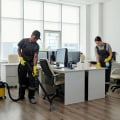
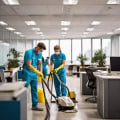
In today’s fast-paced business environment, office and commercial cleaning services play a crucial role in ensuring that workplaces remain not only visually appealing but also safe and hygienic. These services encompass a wide range of tasks, from routine cleaning of workspaces to deep sanitisation of high-touch areas, all aimed at creating a conducive atmosphere for productivity. As businesses increasingly recognise the importance of cleanliness, the demand for professional cleaning services has surged, making it essential to understand the various aspects involved. The cleaning industry has evolved significantly over the years, adapting to new challenges and standards. With the rise of health concerns, particularly in light of recent global events, maintaining a clean office environment has never been more critical.
This is where professional cleaners come into play, equipped with the right tools, techniques, and knowledge to tackle diverse cleaning needs while adhering to stringent safety protocols. Moreover, the significance of commercial cleaning services extends beyond mere aesthetics; it directly impacts employee health and morale. A clean workspace reduces the risk of illness and enhances overall well-being, which can lead to increased productivity and lower absenteeism. As we delve deeper into this topic, we will explore the specific safety measures that cleaners implement to ensure that their services not only meet but exceed industry standards, thereby safeguarding both their clients and themselves.
Importance of Safety Measures in Cleaning Services
In the realm of office and commercial cleaning services, the implementation of robust safety measures is not merely a best practice; it is a fundamental necessity. The cleaning industry is governed by stringent health and safety regulations that mandate the protection of both employees and clients.These regulations are designed to mitigate risks associated with cleaning tasks, which often involve hazardous materials and equipment.
Legal Obligations
- Cleaning companies are required to comply with local and national health and safety laws, ensuring that all staff are trained in safe working practices.
- Regular risk assessments must be conducted to identify potential hazards in the workplace, allowing for proactive measures to be taken.
- Employers must provide personal protective equipment (PPE) to their cleaners, safeguarding them against exposure to harmful substances.
Impact on Employee Health
The health of cleaning staff is paramount. By prioritising safety measures, companies can significantly reduce the incidence of workplace injuries and illnesses. This not only enhances employee morale but also decreases absenteeism, leading to a more efficient workforce. Furthermore, a safe working environment fosters a culture of responsibility and care among employees, which can translate into higher quality service delivery.
Building Client Trust
For clients, knowing that their cleaning service adheres to strict safety protocols instills confidence.
A commitment to safety reflects professionalism and reliability, essential traits for any business aiming to maintain long-term relationships with clients. When clients see that a cleaning service prioritises their health and safety, it enhances their trust and satisfaction, ultimately leading to repeat business and referrals.In conclusion, the importance of safety measures in office and commercial cleaning services cannot be overstated. They are crucial not only for compliance with legal standards but also for protecting employees' well-being and fostering client trust.
Personal Protective Equipment (PPE) for Cleaners
In the realm of office and commercial cleaning services, the safety of cleaning staff is paramount. One of the primary ways to ensure this safety is through the use of Personal Protective Equipment (PPE).This equipment not only protects cleaners from potential hazards but also enhances their efficiency while performing their duties.
Types of PPE Used by Cleaners
- Gloves: Disposable or reusable gloves are essential for protecting hands from harsh chemicals and contaminants. They prevent skin irritation and reduce the risk of cross-contamination between different areas.
- Masks: Masks, particularly those rated for filtration, are crucial in environments where dust, allergens, or chemical vapours are present. They help in safeguarding respiratory health, especially during deep cleaning tasks.
- Goggles: Eye protection is vital when using strong cleaning agents that may splash or emit harmful fumes. Goggles provide a barrier against irritants, ensuring that cleaners can work safely without risking eye injuries.
- Aprons and Coveralls: These garments protect clothing and skin from spills and splashes.
They are particularly useful in settings where cleaners handle hazardous materials.
- Non-slip Footwear: Cleaners often work in environments where floors can be wet or slippery. Non-slip shoes help prevent falls and ensure stability while moving around.
It ensures that cleaners can carry out their responsibilities effectively while prioritising their health and safety.
Safe Handling of Cleaning Chemicals
In the realm of office and commercial cleaning services, the safe handling of cleaning chemicals is paramount to ensure the well-being of both cleaning staff and building occupants. Proper protocols are essential to mitigate risks associated with chemical exposure.Understanding Chemical Safety
- Before using any cleaning product, cleaners must thoroughly read the Material Safety Data Sheets (MSDS) provided by manufacturers. These documents contain vital information regarding the safe use, storage, and potential hazards of each chemical.
- Personal Protective Equipment (PPE) is a critical component of chemical safety. Cleaners should wear appropriate gear such as gloves, goggles, and masks to protect against skin contact and inhalation of harmful fumes.
Safe Handling Practices
- When mixing cleaning products, it is crucial to follow manufacturer instructions precisely.
Some chemicals can react dangerously when combined, leading to toxic fumes or explosions.
- Cleaners should always use chemicals in well-ventilated areas to reduce the risk of inhaling harmful vapours. If ventilation is inadequate, using fans or opening windows can help improve air circulation.
- It is advisable to label all cleaning products clearly and store them in designated areas away from children and pets. This practice not only prevents accidental exposure but also ensures that cleaners can quickly identify the right product for each task.
Emergency Procedures
- In case of a chemical spill, cleaners should be trained in emergency response procedures, including how to contain the spill and whom to notify.
- Having a first aid kit readily available and knowing how to use it can be lifesaving in case of accidental exposure or injury.
Training and Certification for Cleaning Staff
In the realm of office and commercial cleaning services, the significance of training and certification for cleaners cannot be overstated. Proper training equips cleaning staff with the necessary skills to perform their duties effectively while adhering to safety protocols.This not only enhances the quality of service but also ensures a safe working environment for both employees and clients.
Training programs
for cleaning services typically cover a range of essential topics, including:- Health and Safety Regulations: Cleaners are educated on local health and safety laws, ensuring compliance and reducing the risk of accidents.
- Use of Cleaning Chemicals: Staff learn about the proper handling, storage, and application of cleaning agents to prevent hazardous situations.
- Equipment Operation: Training includes instruction on how to safely operate cleaning machinery, such as floor scrubbers and vacuum cleaners.
- Emergency Procedures: Cleaners are trained in emergency response protocols, including how to handle spills or accidents that may occur during cleaning.
It not only promotes a culture of safety but also enhances service quality, ultimately benefiting both the service provider and their clients.
Risk Assessment Procedures in Cleaning Services
In the realm of office and commercial cleaning services, conducting thorough risk assessments is paramount to ensuring a safe working environment for both cleaners and clients. These assessments are systematic processes that help identify potential hazards associated with cleaning tasks, allowing for effective risk management strategies to be implemented.Identifying Hazards in Cleaning Services
- Chemical Hazards: Many cleaning products contain harmful chemicals that can pose health risks if not handled properly. Cleaners must be trained to read labels and understand Material Safety Data Sheets (MSDS) to mitigate these risks.
- Physical Hazards: Slips, trips, and falls are common in cleaning environments. Risk assessments should evaluate floor conditions, lighting, and the use of appropriate signage to warn of wet floors.
- Ergonomic Hazards: Repetitive motions and heavy lifting can lead to musculoskeletal injuries.
Assessments should include recommendations for proper lifting techniques and the use of ergonomic tools.
Risk Management for Cleaners
Once hazards are identified, the next step is to implement risk management strategies. This may include:
- Training and Education: Providing comprehensive training for cleaners on safe practices, including the correct use of personal protective equipment (PPE) and safe handling of chemicals.
- Regular Inspections: Conducting routine inspections of cleaning equipment and supplies to ensure they are in good condition and safe to use.
- Emergency Procedures: Establishing clear protocols for emergencies, such as chemical spills or accidents, ensures that all staff know how to respond effectively.
Emergency Protocols and First Aid Training
In the realm of office and commercial cleaning services, ensuring the safety of both staff and clients is paramount. One of the critical components of this safety framework is the establishment of robust emergency protocols. These protocols are designed to prepare cleaning staff for various emergency situations, ranging from chemical spills to medical emergencies.Emergency Protocols
- Risk Assessment: Before commencing any cleaning operation, a thorough risk assessment should be conducted to identify potential hazards in the environment.
- Clear Communication: All cleaning staff must be briefed on emergency procedures, including evacuation routes and emergency contact numbers.
- Incident Reporting: A structured incident reporting system should be in place to document any accidents or near misses, allowing for continuous improvement in safety practices.
First Aid Training
Equally important is the provision of first aid training for cleaning staff.
This training equips employees with the skills necessary to respond effectively to medical emergencies that may arise during cleaning operations. Key aspects of first aid training include:
- Basic Life Support: Staff should be trained in CPR and how to use an Automated External Defibrillator (AED).
- Wound Care: Knowledge of how to treat cuts, abrasions, and other injuries is essential for immediate response.
- Handling Chemical Exposure: Training on how to manage exposure to cleaning chemicals, including knowing when to seek medical help.
Client Communication Regarding Safety Measures
Effective communication regarding safety measures is essential for building trust between cleaning service providers and their clients. When clients are informed about the safety protocols in place, they feel more secure in the services being provided, especially in environments where health and safety are paramount.One of the most effective ways to communicate these measures is through transparency.Cleaners should provide detailed information about the safety protocols they follow, including:
- Use of Personal Protective Equipment (PPE): Inform clients about the types of PPE used by cleaners, such as masks, gloves, and face shields, to ensure their safety while working in office and commercial spaces.
- Cleaning Products: Share information about the cleaning agents used, highlighting their effectiveness against viruses and bacteria, as well as their eco-friendliness if applicable.
- Training and Certification: Discuss any training or certifications that staff have completed related to health and safety standards, which can reassure clients of the professionalism of the cleaning team.
- Regular Updates: Offer to provide regular updates on any changes to safety protocols or new measures being implemented in response to evolving health guidelines.
- Initial Consultations: During initial meetings, take the time to explain safety measures in detail and answer any questions clients may have.
- Written Documentation: Provide clients with written documentation outlining all safety protocols. This not only serves as a reference but also demonstrates a commitment to transparency.
- Feedback Mechanisms: Encourage clients to share their concerns or suggestions regarding safety measures. This two-way communication fosters a collaborative environment.
FAQs About Safety Measures in Office and Commercial Cleaning Services
When it comes to office and commercial cleaning services, safety is a paramount concern for both the cleaners and the clients.Here are some frequently asked questions regarding the safety measures implemented during these services:
What safety protocols do cleaners follow?
Cleaners are trained to adhere to strict safety protocols, which include:- Personal Protective Equipment (PPE): Cleaners wear appropriate PPE such as gloves, masks, and goggles to protect themselves from harmful chemicals and contaminants.
- Proper Training: All staff undergo comprehensive training on safe cleaning practices, including the correct handling of cleaning agents and equipment.
- Risk Assessments: Before starting any job, a risk assessment is conducted to identify potential hazards in the workspace.
How do cleaners ensure the safety of office occupants?
To ensure the safety of employees and visitors in the office, cleaners take several precautions:- Signage: Clear signage is placed in areas where cleaning is taking place to inform occupants of potential hazards.
- Non-toxic Cleaning Products: Many cleaning companies use eco-friendly and non-toxic products that are safe for both people and the environment.
- Regular Communication: Cleaners often communicate with office management to schedule cleaning during off-peak hours, minimising disruption and exposure.
What should clients do to enhance safety during cleaning?
Clients can play a role in enhancing safety by:- Clearing Workspaces: Ensuring that workspaces are clear of personal items can help cleaners perform their tasks safely and efficiently.
- Informing Cleaners of Specific Concerns: Clients should communicate any specific safety concerns or areas that require special attention.
Conclusion: The Commitment to Safety in Cleaning Services
In conclusion, the commitment to safety in office and commercial cleaning services is paramount for both the well-being of employees and the overall efficiency of the workplace. Throughout this article, we have explored various safety measures that cleaning professionals implement to ensure a secure environment. Firstly, the use of eco-friendly cleaning products not only protects the health of workers but also contributes to a sustainable workplace. These products are less likely to cause allergic reactions or respiratory issues, making them a safer choice for regular use in office settings. Moreover, proper training for cleaning staff is essential. This includes educating them on hazardous material handling, safe equipment usage, and emergency procedures.By ensuring that cleaners are well-informed, companies can significantly reduce the risk of accidents and injuries. Additionally, implementing personal protective equipment (PPE) such as gloves, masks, and goggles is crucial in safeguarding cleaners from potential hazards. This practice not only protects the cleaners themselves but also ensures that they do not inadvertently compromise the safety of the office environment. Regular risk assessments and adherence to health and safety regulations further reinforce the commitment to safety. By identifying potential hazards and addressing them proactively, cleaning services can maintain a safe working atmosphere. Ultimately, prioritising safety in office and commercial cleaning services not only enhances employee morale but also boosts productivity. A clean and safe workplace fosters a positive environment where employees can thrive.
As businesses continue to recognise the importance of these measures, they contribute to a culture of safety that benefits everyone involved.