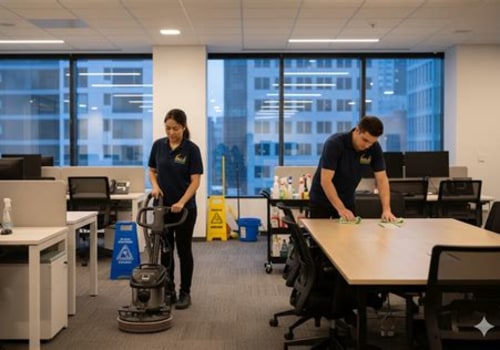
In today’s fast-paced business environment, maintaining a clean and hygienic workspace is essential for productivity and employee well-being.
Office and commercial cleaning services
play a crucial role in ensuring that businesses present a professional image while providing a safe and healthy environment for their staff and clients. However, before engaging these services, it is vital for businesses to understand the implications of cleaning service commitments and whether any contracts or long-term obligations are involved. Many companies may wonder if they are required to enter into lengthy agreements when hiring office cleaning services. The answer can vary significantly based on the service provider and the specific needs of the business.Some cleaning companies offer flexible arrangements, allowing clients to choose between one-off deep cleans or regular maintenance schedules without being tied to a long-term contract. This flexibility can be particularly beneficial for small businesses or those with fluctuating cleaning needs. On the other hand, larger organisations or those requiring consistent, high-frequency cleaning may find that entering into a contract is advantageous. Such agreements often come with benefits like discounted rates, guaranteed service levels, and prioritised scheduling. Understanding these options is crucial for businesses as they navigate the landscape of commercial cleaning contracts.
By evaluating their specific requirements and the terms offered by various providers, companies can make informed decisions that align with their operational goals.
Types of Office and Commercial Cleaning Services
When it comes to office and commercial cleaning services, businesses have a variety of options tailored to their specific needs. Understanding these different types of cleaning services is essential for selecting the right solution for your workspace.Daily Cleaning Services
Many businesses opt for daily cleaning services, which typically include routine tasks such as dusting, vacuuming, and sanitising surfaces. This type of service ensures that the office remains clean and presentable on a day-to-day basis, promoting a healthy work environment.Deep Cleaning Services
Deep cleaning services are more intensive and are usually performed less frequently, such as monthly or quarterly. These services go beyond the surface to tackle areas that are often overlooked during regular cleaning.This includes thorough carpet cleaning, window washing, and detailed sanitisation of high-touch areas. Deep cleaning is particularly important in maintaining hygiene standards and prolonging the life of office furnishings.
Specialised Cleaning Services
In addition to standard cleaning options, many companies offer specialised cleaning services. These can include:- Post-Construction Cleaning: Essential for removing debris and dust after renovation or construction work.
- Eco-Friendly Cleaning: Utilising green products and methods to minimise environmental impact.
- Industrial Cleaning: Tailored for warehouses or manufacturing facilities, focusing on heavy-duty cleaning tasks.
- Window Cleaning: Ensuring that windows are spotless, enhancing both aesthetics and natural light in the office.
Understanding Contracts in Cleaning Services
When considering office and commercial cleaning services, understanding the nature of contracts is crucial for businesses.Cleaning service contracts typically outline the terms and conditions under which the services will be provided, ensuring both parties are clear on their obligations.
Contract Duration
: Most cleaning service agreements specify a duration, which can range from short-term arrangements to long-term commitments. Businesses may opt for a monthly, quarterly, or even an annual contract, depending on their needs. It’s essential to assess how frequently cleaning is required and choose a duration that aligns with operational demands.Scope of Work
: A well-defined scope of work is a critical component of any cleaning service contract. This section should detail the specific tasks to be performed, such as:- Daily cleaning duties (e.g., vacuuming, dusting, sanitising surfaces)
- Periodic deep cleaning (e.g., carpet cleaning, window washing)
- Special requests (e.g., post-event cleaning)
Termination Clauses
: Understanding how to terminate a contract is equally important.Most agreements will include clauses that specify how either party can end the contract, including notice periods and conditions for termination. This allows businesses to exit the agreement if the service does not meet their standards or if their needs change.In summary, when engaging with office and commercial cleaning services, it is vital to thoroughly review the contract terms. By paying attention to duration, scope of work, and termination clauses, businesses can ensure they are making informed decisions that protect their interests.
Long-Term Commitments: What to Expect
When considering office and commercial cleaning services, understanding the nature of long-term commitments is crucial for businesses. Many cleaning companies offer long-term cleaning contracts that can range from several months to multiple years.These agreements often provide a consistent level of service, ensuring that your workspace remains clean and well-maintained.
Benefits of Long-Term Commitments
- Cost Efficiency: Long-term contracts often come with discounted rates compared to one-off services, allowing businesses to save money over time.
- Reliability: Committing to a long-term service means you can rely on the same team, fostering familiarity with your specific cleaning needs and preferences.
- Customised Services: Many cleaning companies are willing to tailor their services to meet the unique requirements of your business, which can be more easily negotiated in a long-term agreement.
Potential Drawbacks
- Inflexibility: A long-term commitment may limit your ability to switch providers if you are not satisfied with the service.
- Contractual Obligations: Businesses may find themselves bound by terms that are difficult to amend or exit without incurring penalties.
- Changing Needs: As your business evolves, so too may your cleaning requirements. A long-term contract might not accommodate these changes effectively.
Flexibility in Cleaning Service Agreements
When considering office and commercial cleaning services, flexibility in service agreements can be a significant factor for businesses that may not want to commit to long-term contracts.Many cleaning service providers understand that companies have varying needs and budgets, which is why they often offer flexible cleaning contracts.These flexible agreements can take several forms:
- Short-term agreements: Many cleaning companies provide options for short-term contracts, allowing businesses to engage their services for a limited period. This is particularly beneficial for companies that may be undergoing renovations, seasonal changes, or temporary projects.
- Trial periods: Some providers offer trial periods where businesses can assess the quality of service before committing to a longer contract. This allows companies to evaluate the cleaning standards and reliability of the service without a long-term obligation.
- Customisable plans: Flexible cleaning services often allow businesses to tailor their cleaning schedules and frequencies according to their specific needs. This means that if a company requires more frequent cleaning during busy periods, they can adjust their plan accordingly.
A transparent cancellation policy can provide peace of mind for businesses that may need to change their plans unexpectedly. Here are some common features of cancellation policies:
- No-penalty cancellations: Some cleaning services allow clients to cancel their agreements without incurring penalties, provided they give adequate notice.
- Flexible rescheduling: If a business needs to postpone a cleaning session, many providers offer the option to reschedule without additional fees, making it easier to manage unexpected changes.
Frequently Asked Questions about Cleaning Service Contracts
When considering office and commercial cleaning services, many potential clients have questions regarding contracts and long-term commitments. Here are some of the most frequently asked questions:- Are contracts necessary for cleaning services?
While not all cleaning companies require a formal contract, many do offer them to ensure clarity and commitment from both parties.A contract can outline the scope of work, frequency of service, and payment terms, providing peace of mind for both the client and the service provider.
- What is typically included in a cleaning service contract?
A standard contract for office and commercial cleaning services usually includes:- Details of the services provided (e.g., daily, weekly, or monthly cleaning)
- Pricing structure and payment terms
- Duration of the contract
- Termination clauses
- Liability and insurance information
- Can I cancel my cleaning service contract?
Most contracts will include a cancellation policy. It’s essential to read this section carefully before signing. Many companies allow clients to cancel with a notice period, typically ranging from 30 to 90 days. - Are there flexible options available?
Yes, many cleaning services offer flexible arrangements. Clients can often choose between short-term agreements or pay-as-you-go options if they prefer not to commit long-term.
Understanding the details can help you make an informed decision that best suits your business needs.
Conclusion: Making Informed Decisions on Cleaning Services
In conclusion, understanding the nuances of office and commercial cleaning services is crucial for making informed decisions that align with your business needs. Throughout this article, we have explored various aspects of cleaning contracts and the potential long-term commitments involved. One of the key takeaways is the importance of thoroughly reviewing any contract before signing. Many cleaning service providers offer flexible options, but some may require a minimum commitment period. This can range from a few months to several years, depending on the provider and the services included. When considering a cleaning service, it is essential to:- Assess your needs: Determine the frequency and type of cleaning required for your office or commercial space.
- Compare contracts: Look for differences in terms, pricing, and cancellation policies among various providers.
- Negotiate terms: Don’t hesitate to discuss your requirements with potential cleaning companies; many are willing to tailor their services to meet your specific needs.
While a longer contract may offer cost savings, it can also limit your flexibility should your business needs change. Therefore, consider opting for a trial period or a short-term contract initially to evaluate the service quality. Ultimately, making an informed decision about office and commercial cleaning services involves careful consideration of both the contractual obligations and the quality of service provided. By taking these steps, you can ensure that you choose a cleaning partner that not only meets your expectations but also supports your business's growth and cleanliness standards.