In today’s fast-paced business environment, maintaining a clean and organised workspace is essential for productivity and employee well-being.
Office and commercial cleaning services
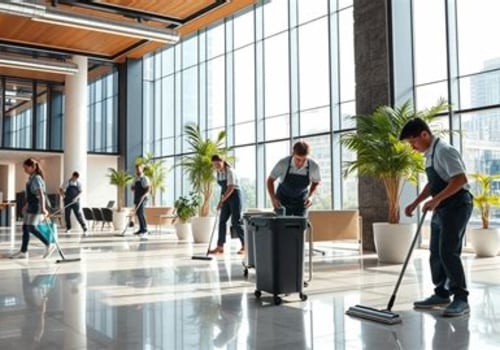
play a crucial role in ensuring that businesses present a professional image while providing a healthy atmosphere for both staff and clients. These services encompass a wide range of tasks, from routine cleaning of office spaces to specialised deep cleaning for commercial establishments, tailored to meet the unique needs of each client. As businesses increasingly rely on external cleaning services, understanding the policies surrounding damages or accidents that may occur during these services becomes paramount. Clients often have concerns about the potential risks involved, such as damage to property or loss of items during the cleaning process.Therefore, it is vital for both service providers and clients to establish clear guidelines and expectations regarding liability and responsibility. This article will delve into the various aspects of cleaning service policies, particularly focusing on how they address incidents that may arise during office and commercial cleaning. By exploring these policies, businesses can make informed decisions when selecting a cleaning service provider, ensuring that they not only receive high-quality cleaning but also peace of mind regarding the safety of their premises and belongings.
Common Types of Damages and Accidents in Cleaning Services
When engaging in office and commercial cleaning services, it is essential to be aware of the potential damages and accidents that can occur during the cleaning process. Understanding these common issues helps both service providers and clients to mitigate risks and ensure a smooth operation.- Property Damage: This can include scratches on floors, damage to furniture, or breakage of delicate items. For instance, using inappropriate cleaning tools on sensitive surfaces can lead to irreversible damage.
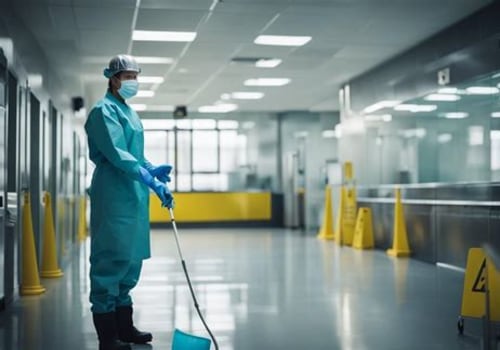
- Slip and Fall Accidents: Wet floors after mopping or spills can create hazardous conditions.
It is crucial for cleaning staff to use warning signs and ensure that areas are safe before allowing foot traffic.
- Chemical Burns: Improper handling of cleaning chemicals can result in burns or skin irritation. Staff should be trained in the safe use of all products to prevent such accidents.
- Equipment Malfunction: Cleaning equipment, such as vacuum cleaners or floor scrubbers, can malfunction, leading to accidents or ineffective cleaning. Regular maintenance is vital to avoid these issues.
- Injury to Staff: Cleaning can be physically demanding, and without proper training, staff may suffer from strains or sprains. Implementing ergonomic practices can help reduce these risks.
This includes thorough training for staff, clear communication about potential hazards, and having a comprehensive insurance policy in place to cover any unforeseen incidents.
Insurance Coverage for Cleaning Services
When engaging office and commercial cleaning services, it is crucial to understand the types of insurance coverage that these companies should possess. This not only protects the cleaning staff but also safeguards your property against potential damages or accidents that may occur during the cleaning process.One of the primary forms of insurance that cleaning services should have is liability insurance. This type of insurance covers any damages that may inadvertently occur while the cleaning team is on-site. For instance, if a cleaner accidentally spills a chemical that damages furniture or flooring, liability insurance can help cover the costs of repairs or replacements.In addition to liability insurance, it is advisable for cleaning services to have workers' compensation insurance.This coverage is essential in case a cleaner sustains an injury while performing their duties. It ensures that medical expenses and lost wages are covered, providing peace of mind for both the employees and the clients.Clients should also inquire about property damage coverage. This specific type of coverage protects against any accidental damage to the client's property during the cleaning process. It is important to confirm that the cleaning service has adequate coverage limits to address potential damages adequately.Before hiring a cleaning service, always request proof of their insurance policies.
A reputable company will be transparent about their coverage and willing to provide documentation. This not only demonstrates professionalism but also reassures clients that they are protected in case of unforeseen incidents.In summary, understanding the insurance coverage for office and commercial cleaning services is vital for ensuring that both parties are protected. By confirming that a cleaning service has appropriate liability and property damage coverage, clients can enjoy their clean spaces without worrying about potential risks.
Client Responsibilities During Cleaning Services
When engaging in office and commercial cleaning services, it is essential for clients to understand their responsibilities to ensure a smooth and effective cleaning process. By taking proactive steps, clients can help minimise the risk of damages or accidents during the service.1.Clear the Area Before the cleaning team arrives, clients should ensure that all personal items, valuable equipment, and fragile objects are removed from the areas to be cleaned.This includes:
- Desk items such as stationery and electronics
- Artwork or decorations on walls
- Floor spaces that may contain obstacles like furniture or boxes
- Instructions regarding delicate surfaces
- Areas that should not be cleaned with certain chemicals
- Specific cleaning products preferred by the client
- Unlocking doors to restricted areas
- Providing access codes if necessary
Cleaning Service Policies on Damages and Accidents
When engaging in office and commercial cleaning services, it is essential to understand the policies regarding damages and accidents that may occur during the cleaning process.These policies are designed to ensure transparency and build trust between clients and service providers.
Damage Policy
- Most cleaning services have a clear damage policy that outlines their responsibilities in the event of accidental damage to property. This typically includes:
- Assessment of the damage: Upon notification, the cleaning service will assess the situation to determine the extent of the damage.
- Liability coverage: Many reputable cleaning companies carry liability insurance, which may cover damages caused by their staff during the cleaning process.
- Client notification: Clients should be informed immediately if any damage occurs, allowing for prompt resolution.
Accident Policy
- In addition to damage policies, cleaning services often have an accident policy that addresses injuries sustained by staff or clients during service. Key points include:
- Safety protocols: Cleaning companies should adhere to strict safety protocols to minimise the risk of accidents.
- Insurance coverage: Most professional cleaning services will have insurance that covers workplace injuries, protecting both their employees and clients.
- Incident reporting: Any accidents should be documented and reported to ensure proper follow-up and prevention measures are implemented.
Always review a cleaning service's policies before hiring to ensure they align with your expectations and requirements.
What to Do If Damage Occurs During a Cleaning Service
In the event that damage occurs during your office and commercial cleaning services, it is essential to follow a structured approach to ensure that the situation is handled efficiently and effectively. Here are the steps you should take:- Report the Damage Immediately: As soon as you notice any damage, inform the cleaning service provider without delay. Prompt reporting allows for quicker resolution and demonstrates your commitment to transparency.
- Document the Incident: Take clear photographs of the damage from multiple angles. This documentation will be crucial for both your records and for the cleaning service to assess the situation accurately.
- Gather Witness Statements: If there were any witnesses present during the cleaning service, ask them to provide a brief statement regarding what they observed.
This can help clarify circumstances surrounding the incident.
- Review Your Contract: Check your agreement with the cleaning service provider to understand their policy on damages. Most reputable companies will have specific clauses addressing liability and compensation.
- Communicate Clearly: When discussing the issue with the cleaning service, be clear and concise about what happened. Provide them with all relevant information, including your documentation and any witness statements.
- Follow Up: After reporting the damage, follow up with the cleaning service to ensure that your report has been received and is being addressed. This will help keep the lines of communication open and facilitate a quicker resolution.
Remember, maintaining a professional relationship with your cleaning service provider is key, even in challenging situations.
Frequently Asked Questions About Cleaning Service Policies
When engaging in office and commercial cleaning services, clients often have questions regarding the policies that govern damages or accidents that may occur during the cleaning process. Understanding these policies is crucial for ensuring peace of mind and a smooth working relationship with your cleaning service provider.What happens if damage occurs during cleaning?
In the event that damage occurs during a cleaning service, most reputable cleaning companies will have a clear policy in place. Typically, the following steps are taken:- Immediate Reporting: Clients should report any damage to the cleaning service as soon as it is noticed. This allows for prompt investigation and resolution.
- Assessment of Damage: The cleaning company will assess the situation to determine the cause and extent of the damage.
- Liability Determination: Depending on the circumstances, the company may take responsibility for the damage if it was caused by negligence or improper handling of items.
Are there any exclusions in the policy?
It is important to note that some policies may include exclusions.Common exclusions can include:
- Pre-existing Damage: If an item was already damaged before the cleaning service, this will typically not be covered.
- Client-Supplied Equipment: Damage to equipment or items provided by the client may not be covered under standard policies.
How can clients protect themselves?
To minimise risks, clients can take several proactive steps:- Clear Communication: Discuss any valuable or fragile items with your cleaning service prior to their arrival.
- Insurance Verification: Ensure that your cleaning service has adequate insurance coverage for damages.
- Read Reviews: Look for feedback from other clients regarding how the company handles damages and accidents.
Conclusion: Key Takeaways on Cleaning Service Policies
In conclusion, understanding the policies for damages or accidents that may occur during office and commercial cleaning services is crucial for both clients and service providers. Here are the key takeaways:- Insurance Coverage: Most reputable cleaning companies carry liability insurance, which protects both the client and the service provider in case of accidental damage to property.
- Clear Communication: It is essential for clients to communicate any specific concerns or valuable items that require special attention. This helps cleaning staff to take necessary precautions.
- Damage Reporting Procedures: Clients should be aware of the procedures for reporting damages. A transparent process ensures that any incidents are addressed promptly and fairly.
- Service Agreements: Reviewing the service agreement before commencing work can clarify the responsibilities of both parties regarding damages and accidents.
- Preventive Measures: Professional cleaning services often implement preventive measures to minimise risks, such as using appropriate cleaning products and techniques tailored to different surfaces.
Ultimately, a well-defined policy on damages not only protects assets but also fosters trust between clients and service providers.